- The Trading Post
- Posts
- The Trading Post | 03.09.26
The Trading Post | 03.09.26

Good morning,
Oil just ripped above $110, Dow futures are pointing to a brutal open, traders are fleeing into the dollar and safety trades, labor data is flashing economic cracks, and a volatile earnings slate is about to test traders’ nerves.
Let’s jump in.
Yesterday’s Post-Market Performance

As of 03.06.26 market close.
Market News
Oil spikes above $110 as Iran war fuels stagflation fears: Energy markets are exploding higher while equity futures tumble, creating a classic risk-off setup for equities but strong momentum in energy names. Short failed bounces in SPY / QQQ / DIA into prior support turned resistance while looking for pullback entries in XLE / XOP leaders as volatility expands. The Street
Dow futures drop more than 1,000 points ahead of the open: Expect unusually wide opening ranges. Use the opening range high/low as your primary breakout or fade trigger rather than chasing pre-market extremes, and size positions smaller while volatility stays elevated. The Street
Flight to safety pushes yields and the dollar higher: Rising rates and a strong dollar tend to pressure speculative growth names. Favor short setups in high-beta tech on pops into resistance while treating any tech bounce as a counter-trend scalp until bonds stabilize. CNBC
Weak labor data pushes unemployment to 4.4%: With recession and stagflation chatter rising, swing traders may want to shorten time horizons. Think 1–3 day tactical moves, taking profits near key levels instead of holding for extended trends in this environment. Filmogaz
Earnings from HPE, FCEL, and ZIM kick off a volatile week: Elevated implied volatility could create opportunities for defined-risk premium selling after earnings reactions. Directional traders should focus on post-earnings continuation setups rather than guessing before the numbers. Tipranks
Earnings We’re Watching
Hewlett Packard Enterprise (HPE) - Monday (AMC)
Trade Ideas

Apple, Inc (AAPL), Accenture plc (ACN), Amgen Inc (AMGN), Arista Networks, Inc (ANET)
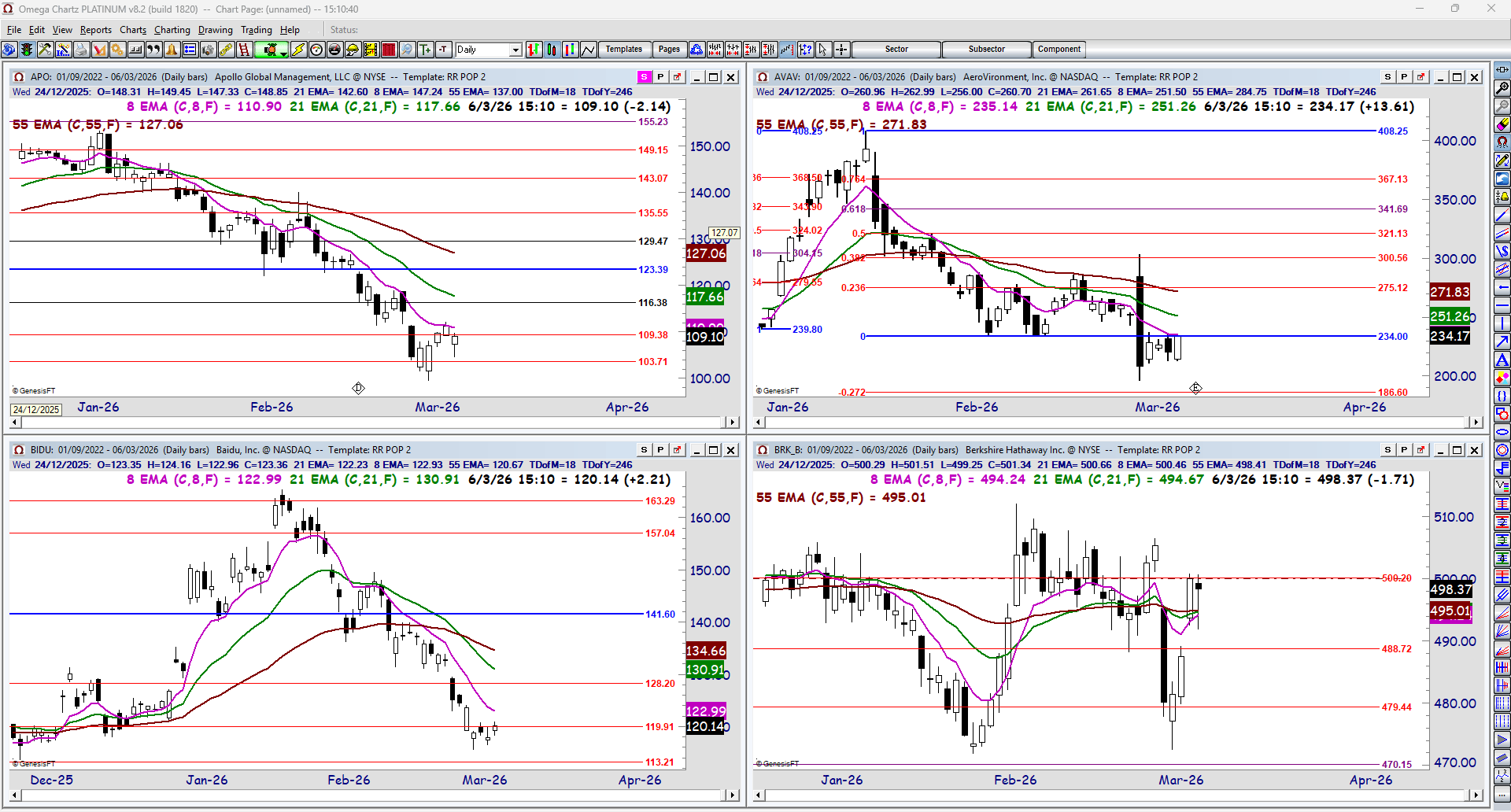
Apollo Global Management, LLC (APO), AeroVironment, Inc (AVAV), Baidu, Inc (BIDU),
Berkshire Hathaway Inc (BRK_B)

CBRE Group, Inc (CBRE), Cencora, Inc (COR), DoorDash, Inc - Common Stock (DASH),
Intuitive Surgical, Inc (ISRG)
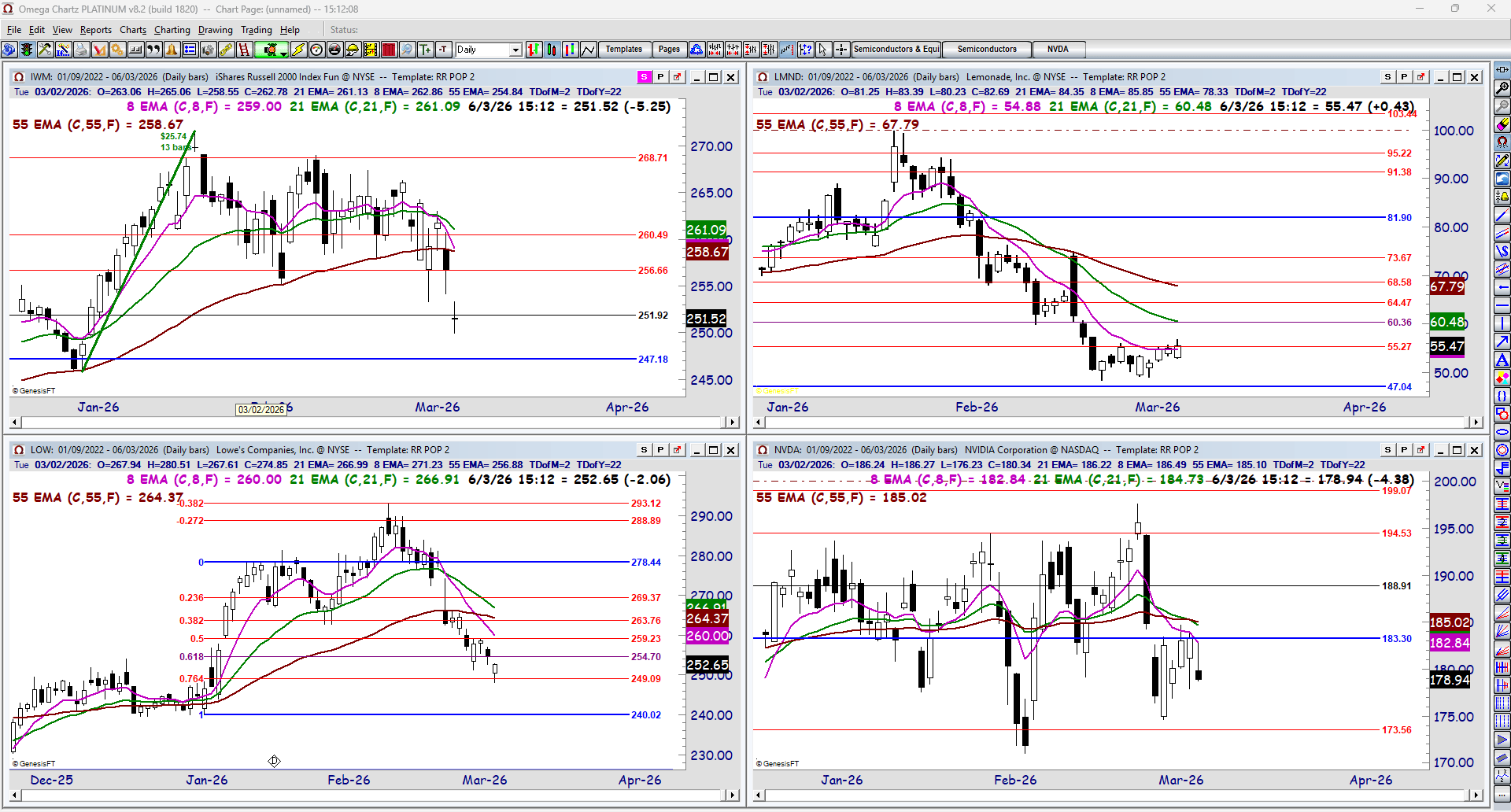
iShare Russell 2000 Index Fun (IWM), Lemonade, Inc. (LMND), Lowe’s Companies, Inc (LOW),
NVIDIA Corporation (NVDA)
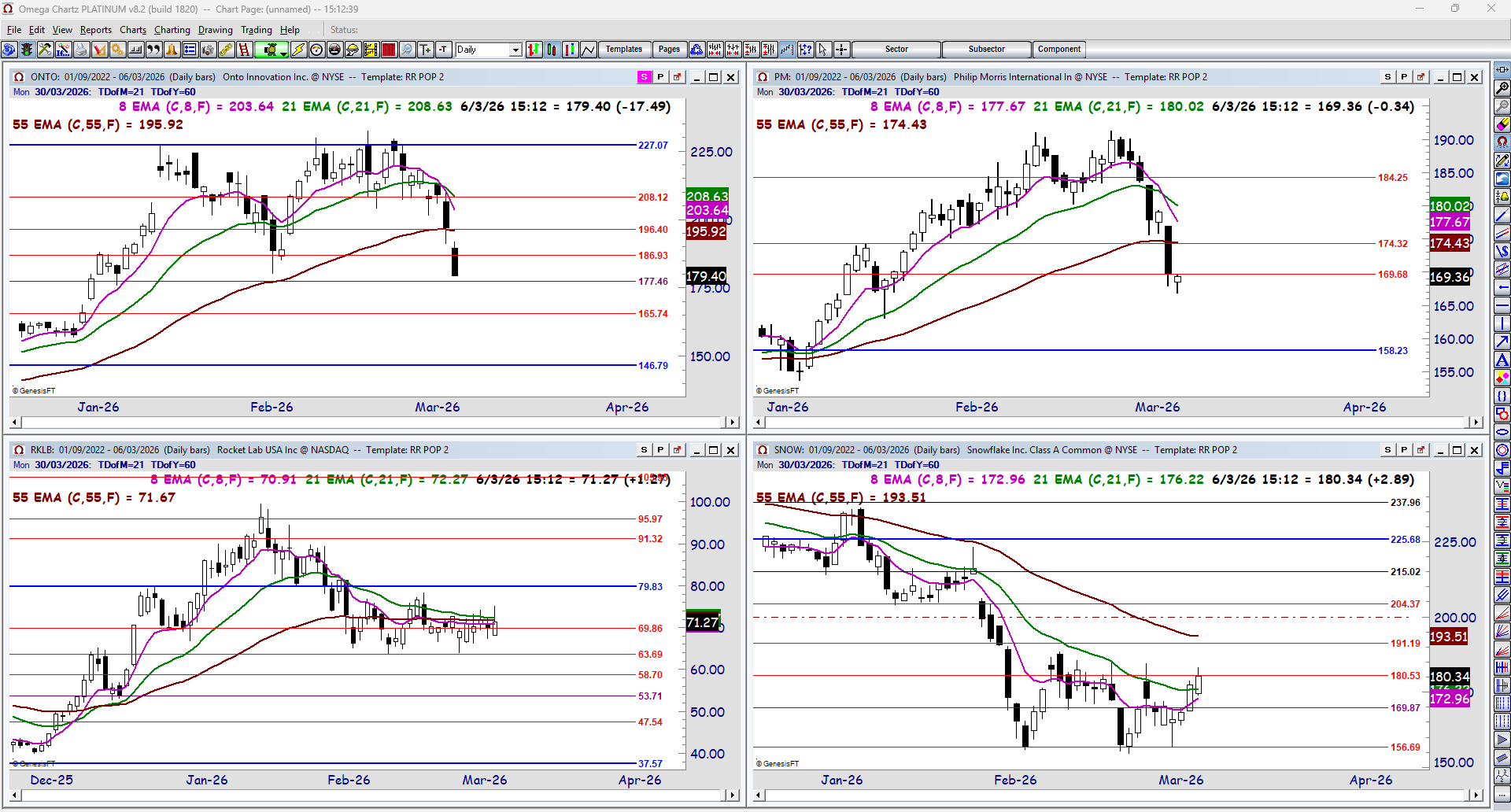
Onto Innovation, Inc (ONTO), Philip Morris International (PM), Rocket Lab USA (RKLB),
Snowflake Inc. Class A Common (SNOW)
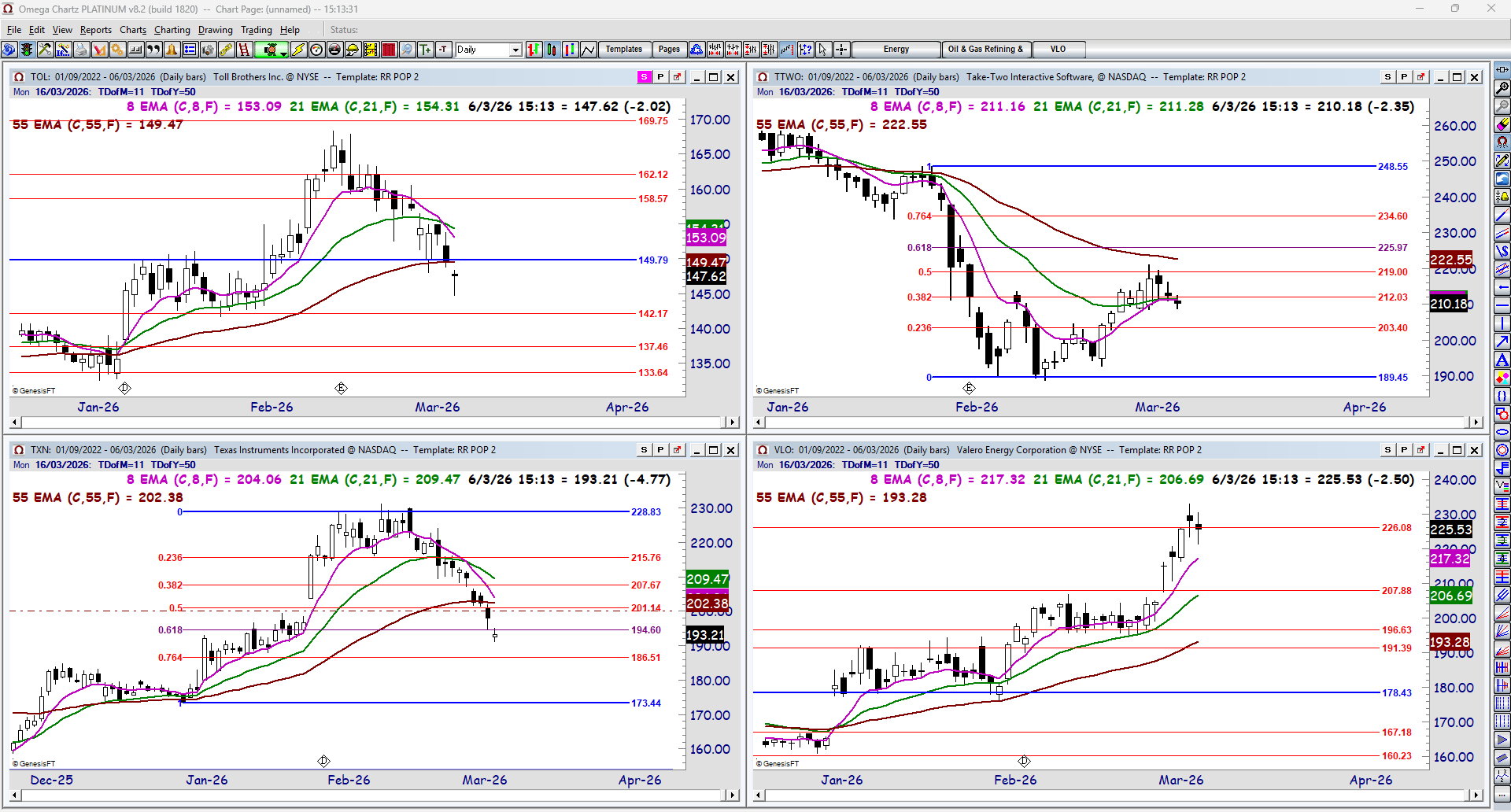
Toll Brothers Inc. (TOL), Take-Two Interactive Software (TTWO), Texas Instruments Incorporated (TXN), Valero Energy Corporation (VLO)
Want to learn how we trade these? Learn the setup we call the “High Volatility Switchback” trade.
Get these ideas delivered to your inbox daily with Trade With Rob. It’s 100% free. Sign up here.
Daily Moment of Zen
Behind every stock is a company. If the company does well, over time the stock does well.
Why It Matters:
At first glance, this quote sounds almost too simple. In an era of meme stocks, AI hype cycles, and traders treating earnings like a casino spin, the idea that a stock’s performance ultimately ties back to the underlying business feels almost… quaint.
But markets have a funny way of humbling people who forget this.
In the short term, stocks move on emotion, narratives, and liquidity. Headlines move prices. Algorithms chase momentum. Traders pile into whatever ticker is trending on social media. For weeks or even months, price can drift far away from the underlying fundamentals.
Over the long term, though, the scoreboard changes.
Revenue growth, margins, market share, and competitive advantage eventually drag the stock price back toward reality. A company that consistently grows cash flow and dominates its industry will usually see its stock grind higher over time. A company built on hype and hope eventually gets exposed—usually right after the last enthusiastic buyer shows up.
For traders, the lesson isn’t necessarily to become a long-term investor. It’s to remember what ultimately powers price movement.
Technical patterns may tell you when to trade.
But the business itself often explains why the move can persist.
In other words: charts get you into the trade… but the company determines whether the trend has real fuel behind it.